1
French or EnglishThe call
We do not open the diary and give you the next free slot. We match four things: the speciality, the case itself, the language your child works in, and the therapist who is right for it.
A children's therapy centre. Speech, psychomotor, psychology and special education, working side by side under one roof.
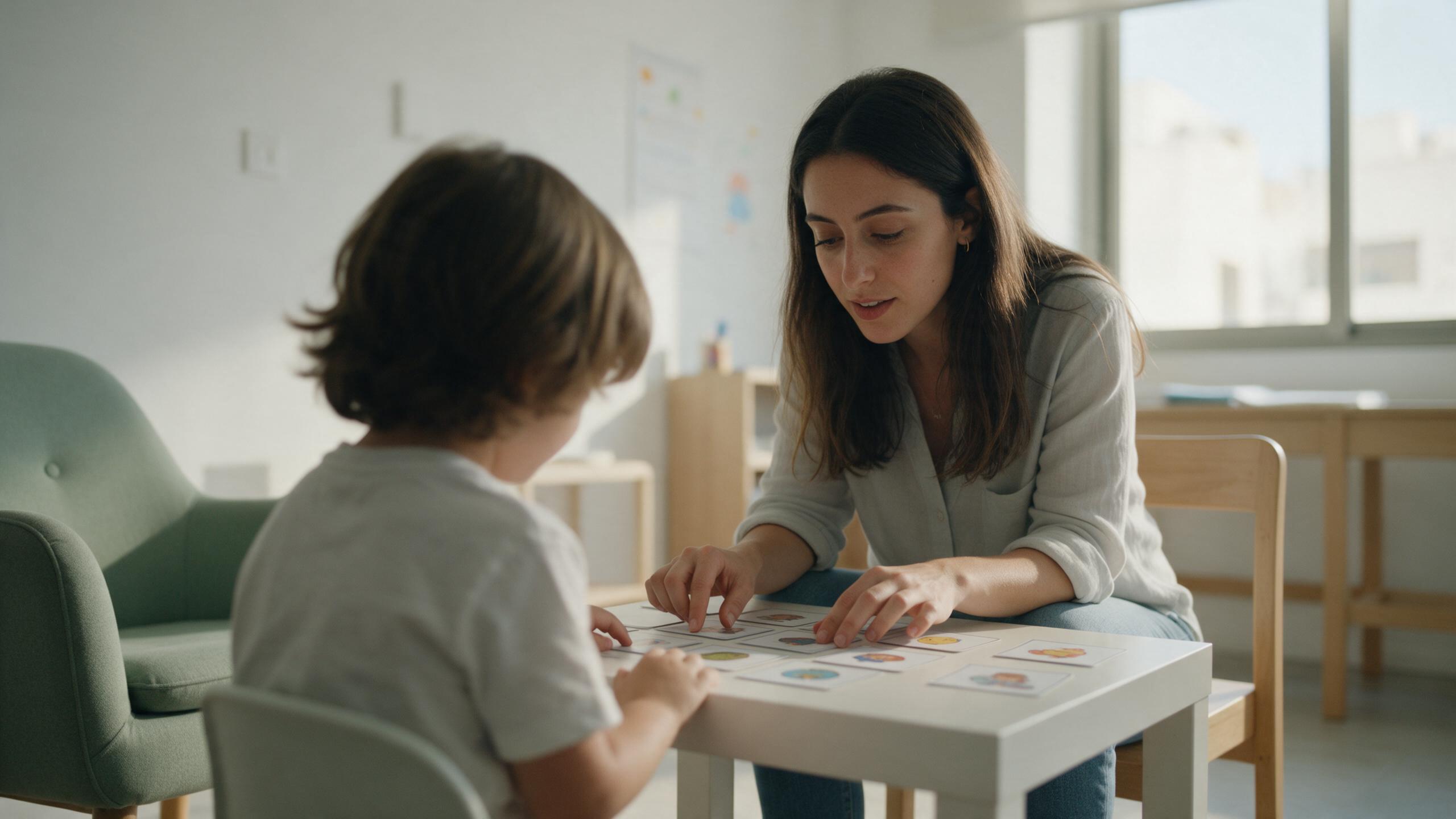
We tailor our therapies to meet your specific needs, ensuring you receive the plan of treatment suitable for your needs.
Through dedicated, one-on-one guidance, we provide the targeted support needed to help families progress confidently at every stage.
We are here to support your journey every step of the way. Our team provides compassionate, expert guidance to foster meaningful progress and empower lasting change.
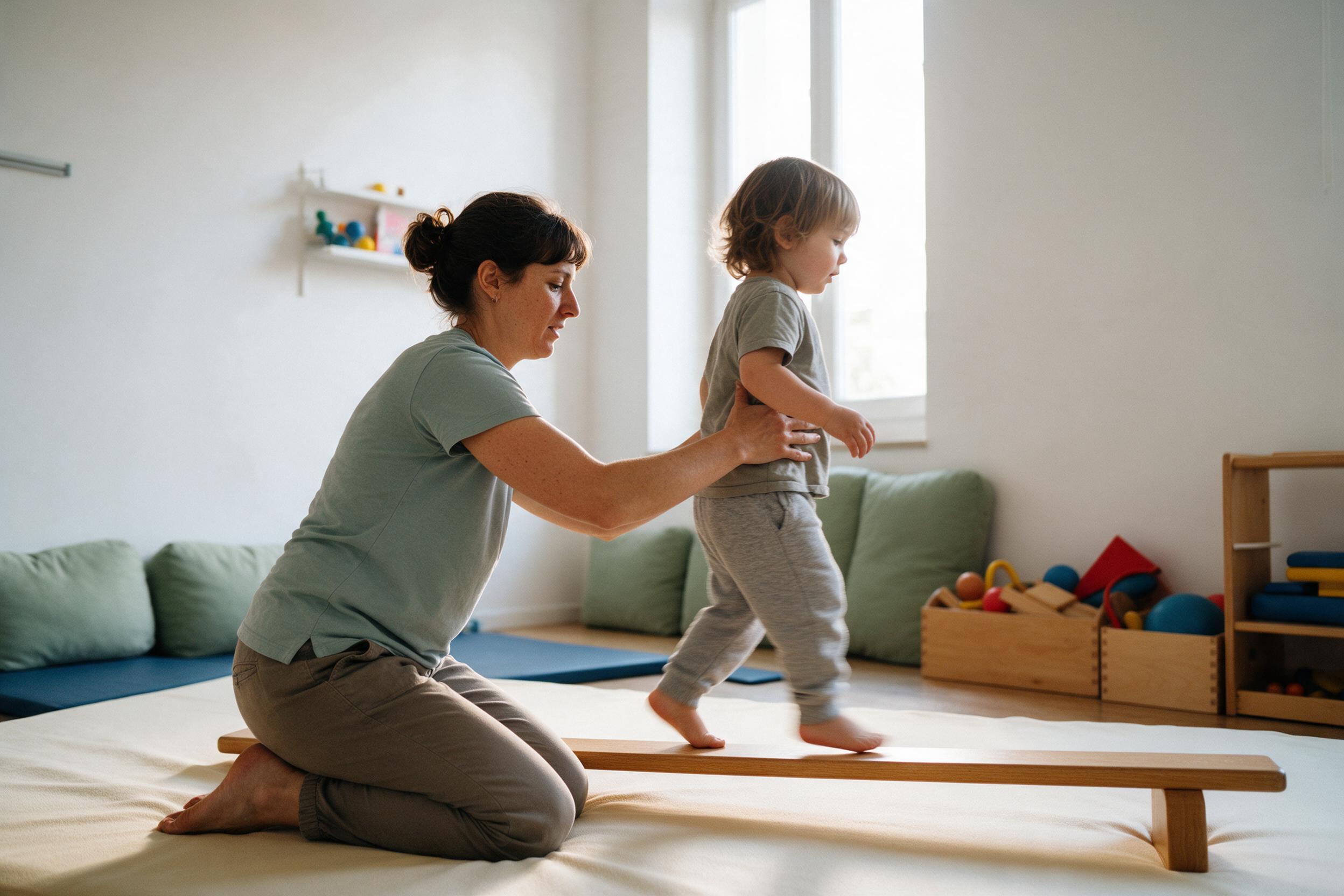
Trained at USJ and AUB
Under one roof, one file
After the assessment sessions
40 with the child, 5 with you
 01
For the child who is late to speak, hard to follow, or stuck on a sound.
Read more → 02
Where the body and the mind are learning to agree.
Read more → 03
A room where a child can put down what they cannot yet say.
Read more → 04
Five minutes at the end of every session belong to you.
Read more → 05
Strength, posture and movement, built patiently.
Read more → 06
School, taken apart and put back together at the right pace.
Read more → 07
Small groups, for children and for the adults around them.
Read more → 08
Several sessions, then a report you can act on.
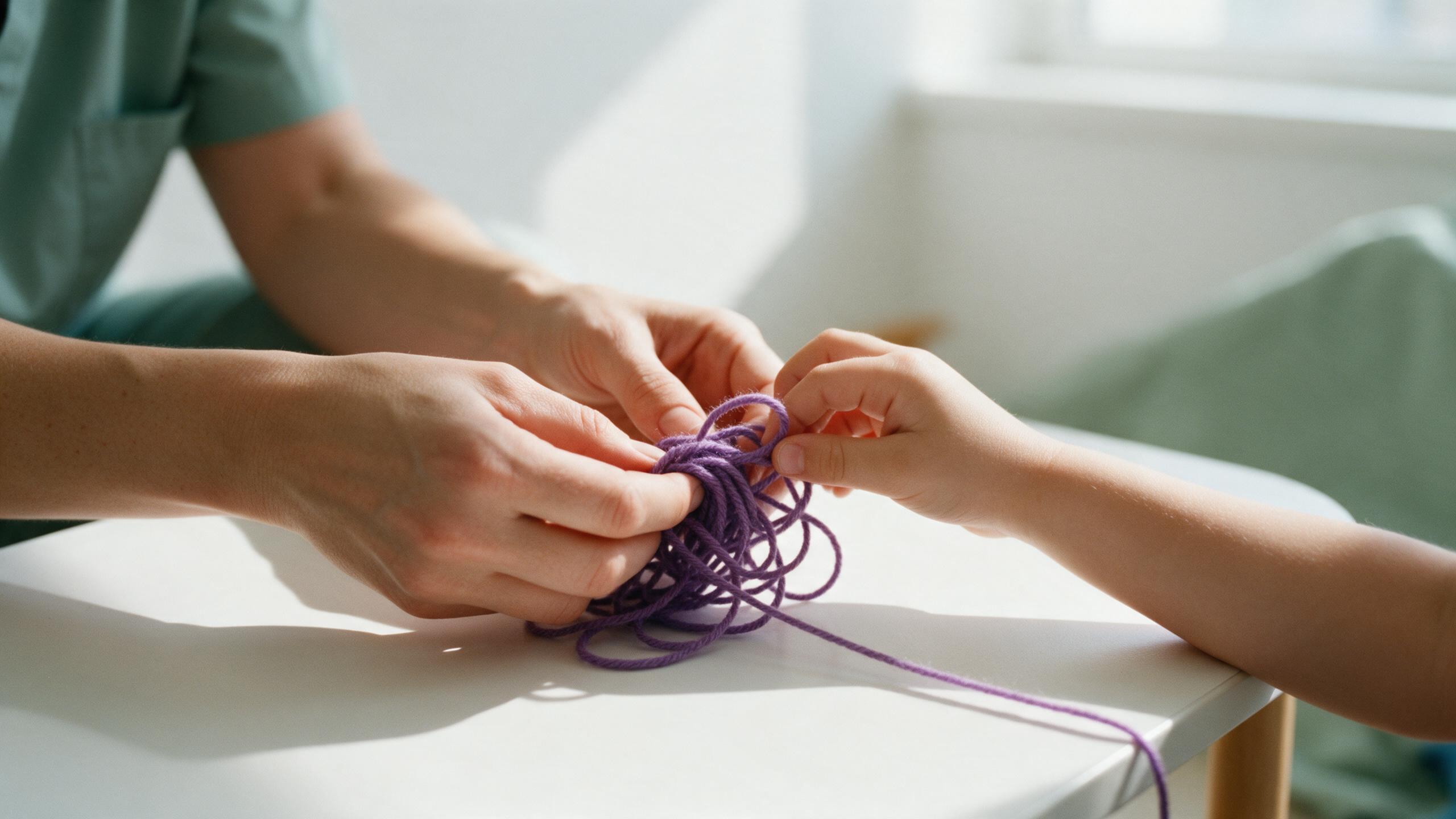
Read more →It is written on the wall of the waiting room in Verdun, and it is the whole approach: one knot at a time, with someone beside you.
No child is handed the next free slot. This is the sequence every family goes through, written out so you know it before you call.
We do not open the diary and give you the next free slot. We match four things: the speciality, the case itself, the language your child works in, and the therapist who is right for it.
Not a first visit. Around four sessions for a child of six, one or two for a baby. An older child has more tests and more scores, so the assessment takes the time the age asks for.
Every result in detail, the difficulties listed one by one, then a conclusion saying exactly what we will work on. A referral elsewhere if that is what your child needs.
Once or twice a week on a fixed slot that stays yours. Every Monday at three stays every Monday at three. Forty minutes of work, then five minutes with you.
After at least six months we run the assessment again and write a progress report. Progress becomes something you can read, not something you have to hope for.

I care very, very much about seeing the children's progress. That is the most important part of therapy for me.
Sabine M. Hayek
Founder and Director, Psychomotor Therapist, MSc
When a child is seen by two disciplines, both therapists read the same history. Nobody asks you the same question twice.
View profile →01Psychomotor Therapy
Founder and Director, Psychomotor Therapist, MSc
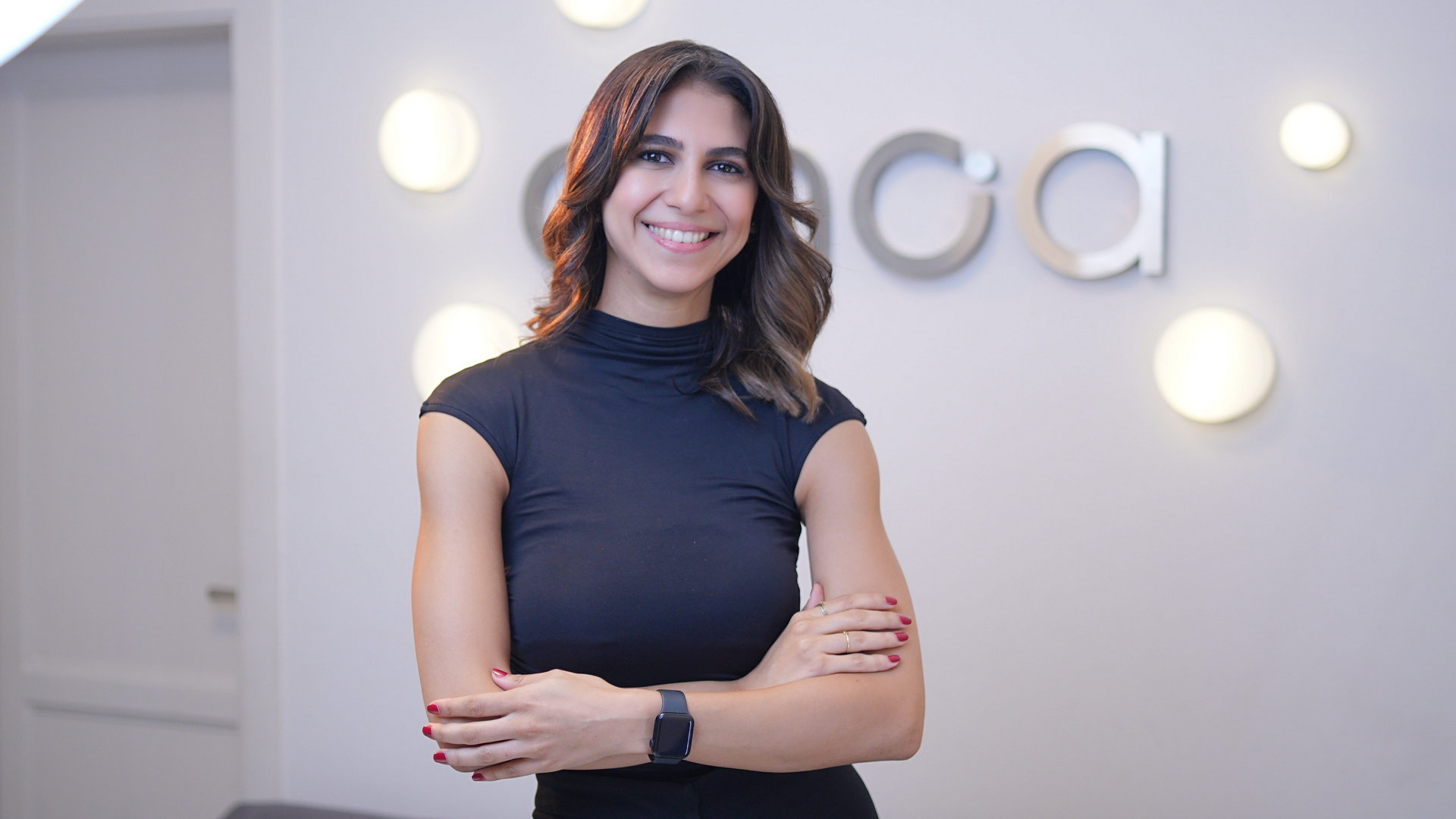 View profile →02
Psychomotor Therapy
Psychomotor Therapist, MSc
 View profile →03
Psychomotor Therapy
Psychomotor Therapist, BS
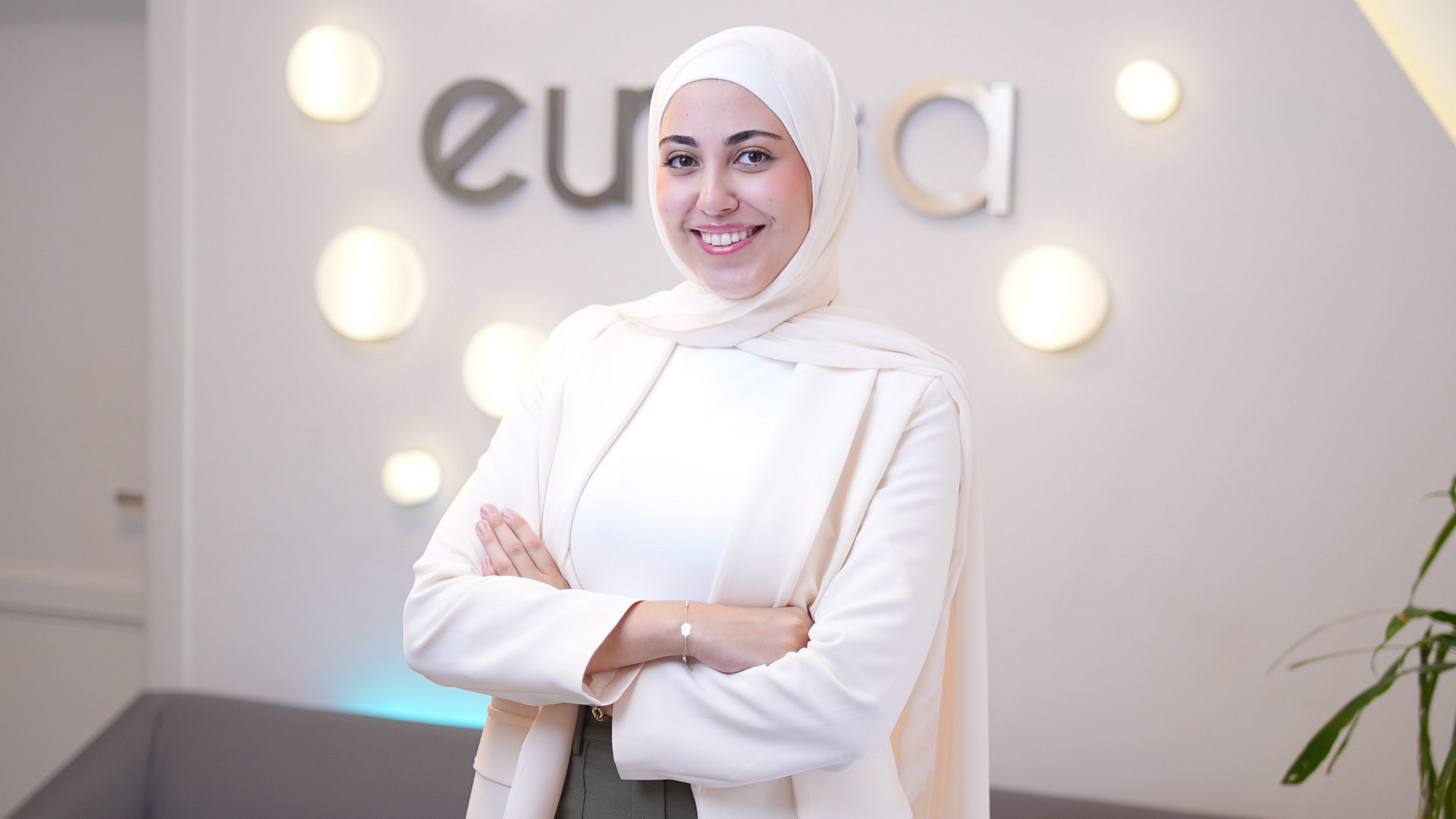 View profile →04
Speech and Language Therapy
Speech and Language Therapist, MSc
 View profile →05
Speech and Language Therapy
Speech and Language Therapist, BS
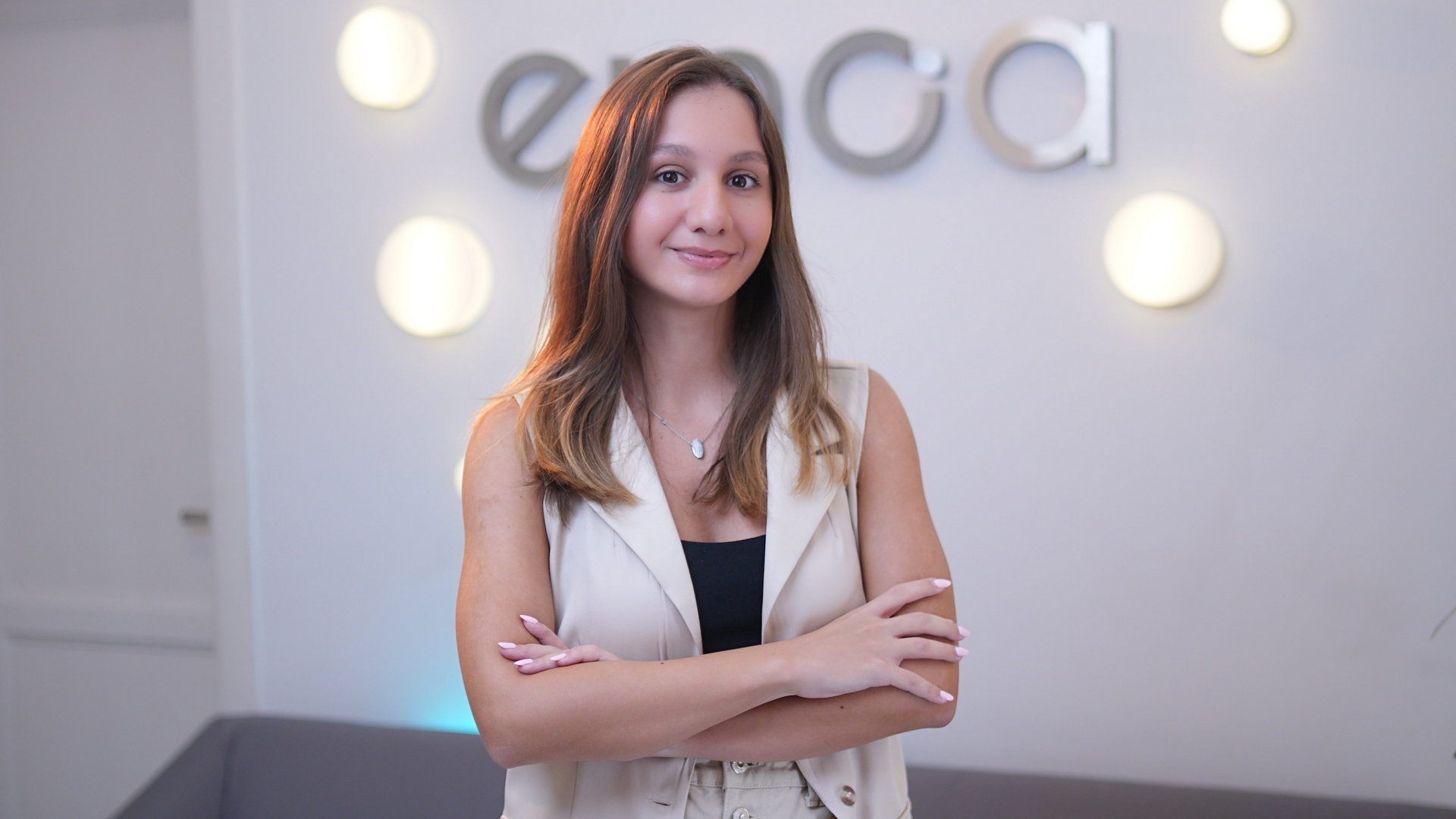 View profile →06
Speech and Language Therapy
Speech and Language Therapist, BS
 View profile →07
Speech and Language Therapy
Speech and Language Therapist
View profile →08Speech and Language Therapy
Speech and Language Therapist
النهار
يكتسب الطفل مهارات متنوعة منذ صغره، تنمو معه وتتطور كلما تقدم في العمر، إلا أنّه في بعض الأحيان يلاحظ الأهل تأخراً لدى أطفالهم في حركة معينة.
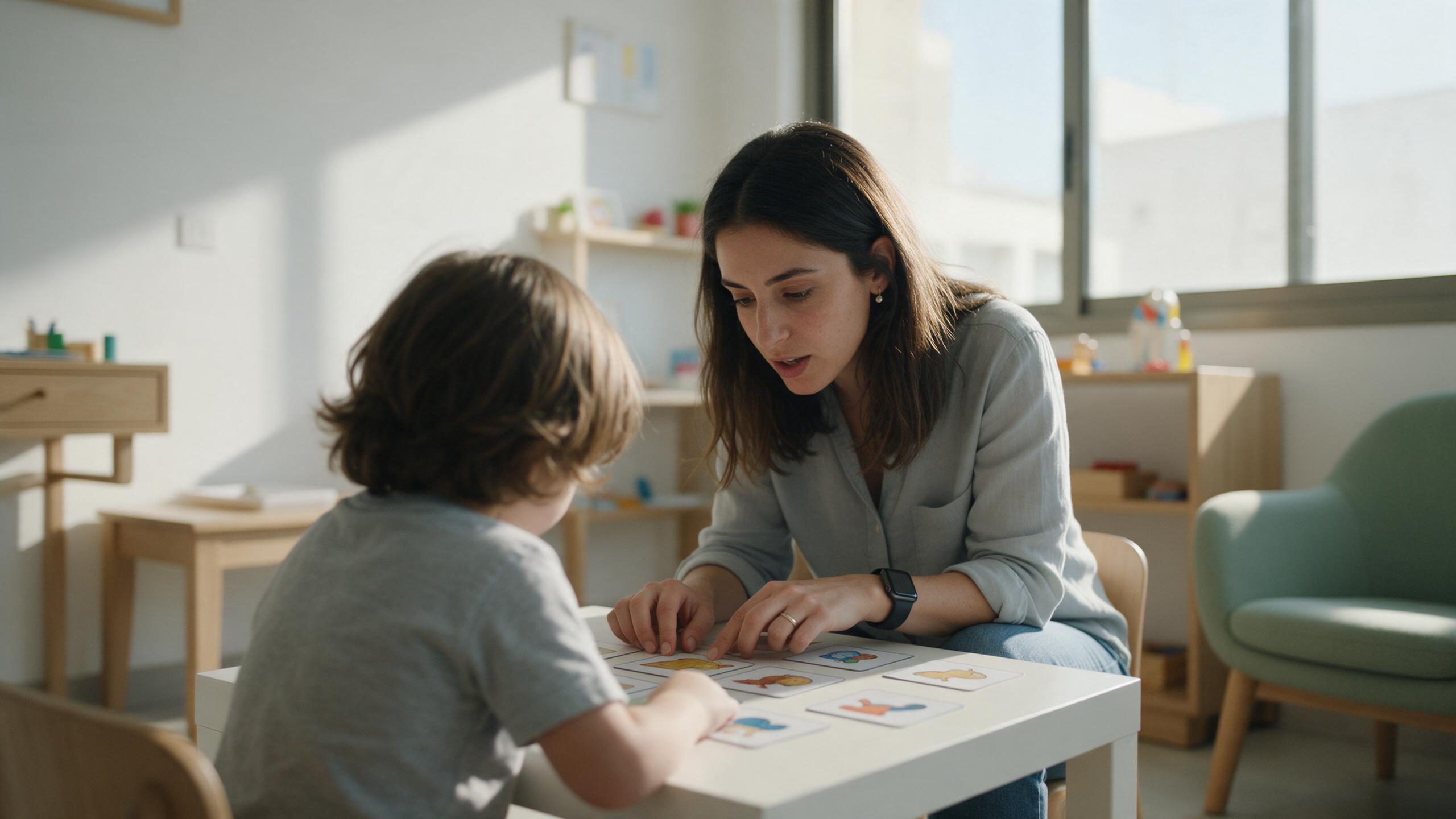
النهار
مسؤوليات عدّة تقع على عاتق الأهل عند ولادة أطفالهم، ولا تنتهي المسألة في العناية الجسدية على قدر ما تتطلب المتابعة الدقيقة لتصرفاتهم.
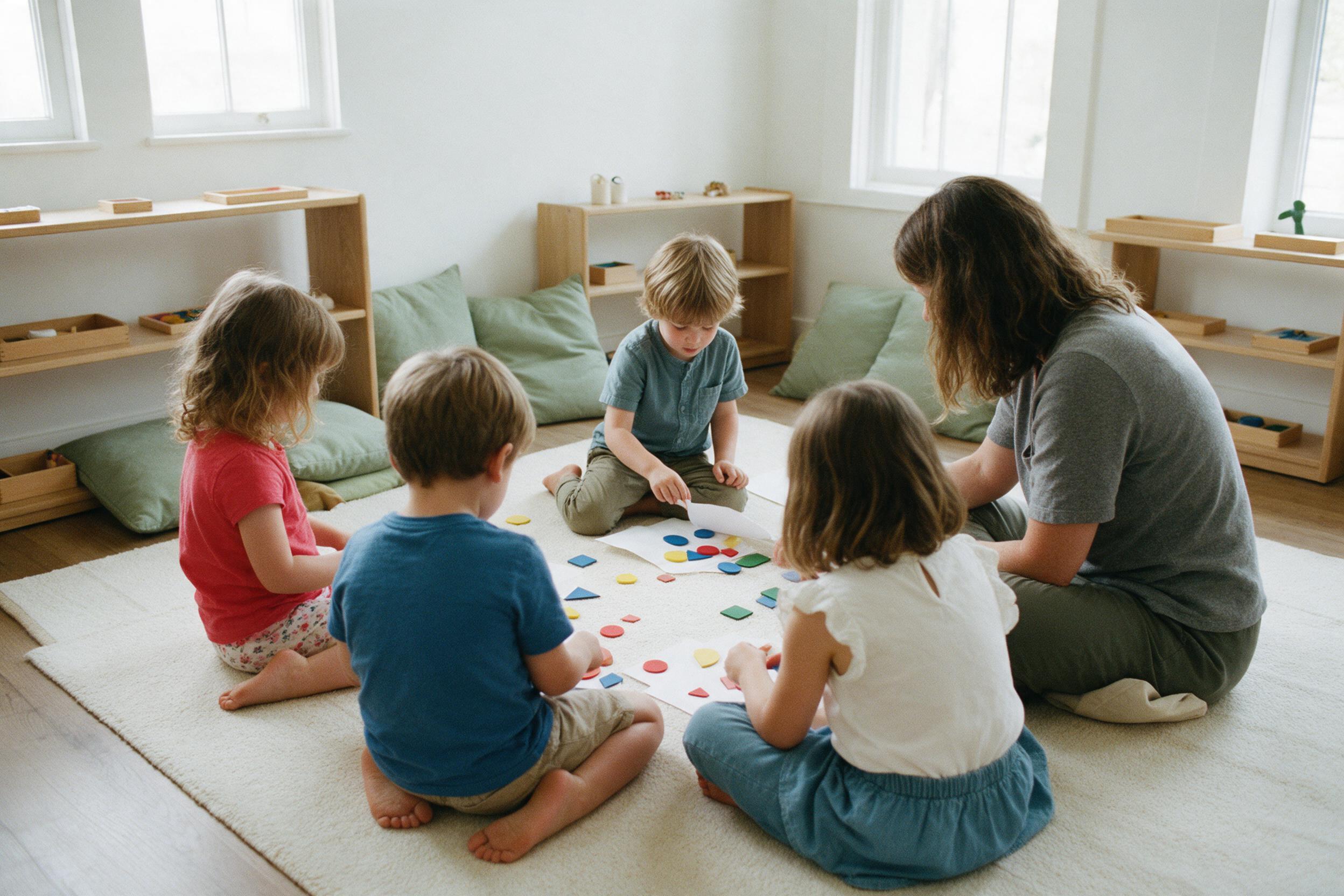
Video
Find below a collection of interviews with our team.